Key Benefits
- Effective against a wide range of fungal infections
- Provides rapid symptom relief in skin, nail, and systemic infections
- High bioavailability and tissue penetration
- Suitable for long-term and short-term therapy
- Helps prevent recurrence of fungal infections
- Trusted by dermatologists and physicians
How This Product is Better
Itraconazole is recognized for its enhanced antifungal spectrum and superior absorption compared to many conventional antifungal agents. The formulation in Itro-N 100 ensures:
- Better penetration into keratin-rich tissues like skin and nails
- Effective action against resistant fungal strains
- Sustained drug levels due to its lipophilic nature
- Reduced frequency of dosing with improved patient compliance
Compared to older antifungals, itraconazole offers broader coverage and improved clinical outcomes, making it a preferred choice in modern antifungal therapy.
Indications
- Dermatophytosis (Ringworm infections)
- Onychomycosis (Fungal nail infections)
- Candidiasis
- Aspergillosis
- Systemic fungal infections
Dosage & Administration
- To be taken as prescribed by a healthcare professional
- Best absorbed when taken after meals
Packaging Available
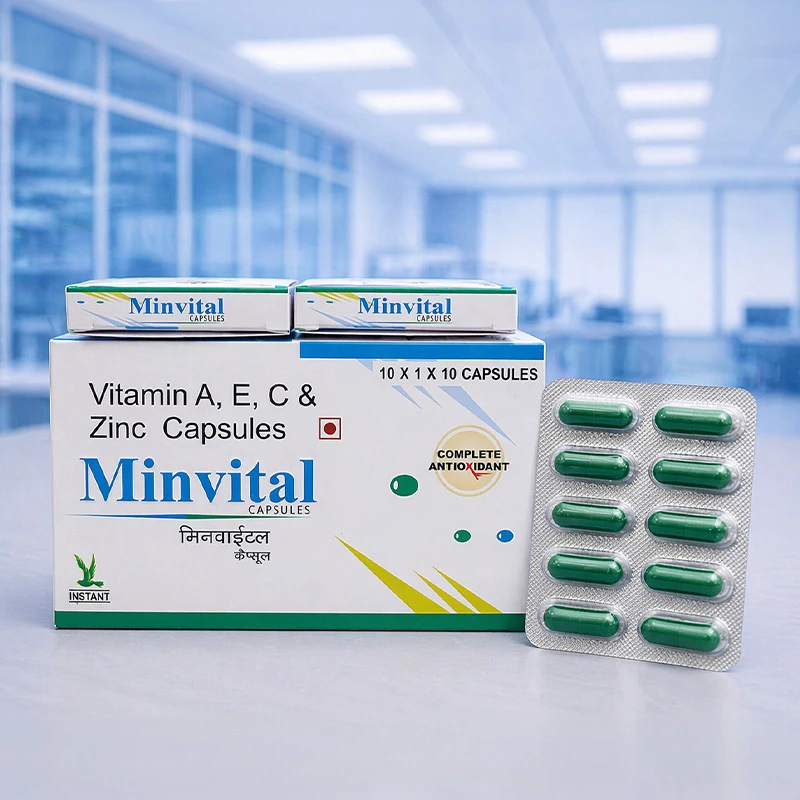
- 10 x 1 x 10 Capsules (Blister Packaging)
(Custom packaging options available for PCD pharma franchise partners)
Quality Assurance
- Manufactured under WHO-GMP certified standards
- Lab-tested for purity, potency, and safety
- High-quality packaging ensuring product stability
Why Choose Instant Remedies Pvt. Ltd.
- Trusted brand in PCD Pharma Franchise in India
- Wide portfolio of antifungal and specialty medicines
- Monopoly rights with strong marketing and promotional support
- Competitive pricing with high-margin opportunities
- Reliable supply chain for pharma distributors and partners
Conclusion
Itro-N 100 (Itraconazole 100 mg Capsules) is a premium antifungal solution offering effective and reliable treatment for a variety of fungal infections. Backed by WHO-GMP manufacturing and stringent quality checks, it is an ideal choice for healthcare professionals and PCD pharma franchise businesses seeking high-demand, result-oriented products.