preload

Tablets
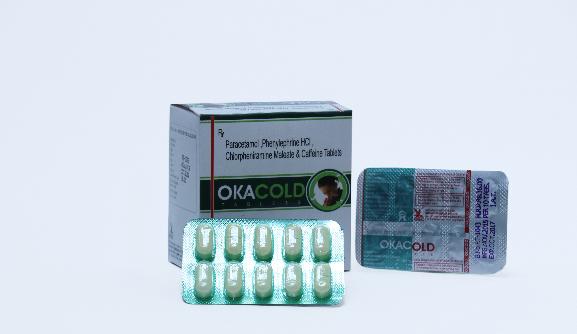
Oka-Cold

(Acetaminophen) Paracetamol is a valuable central analgestic but weak peripheral anti inflammatory agent and exhibits good and prompt antipyretic action. It does not stimulate respiration, or after acid base balance and causes less gastric irritation and have no effect on cellular metabolism or clotting factors. It is not uricosuric.

 It is non sedating anti histamine with a potent anti allergic action. It posses strong affinity for histamine h1 receptors and has no anti cholinergic and anti serotoninergic effects. Since it does not cross blood brain barrier it does not cause sedation or interface with mental alertness or memory function. 

Phenylpropanolamine is a decongestant. It works by constricting (shrinking) blood vessels (veins and arteries) in your body. Constriction of blood vessels in your sinuses, nose, and chest allows drainage of those areas, which decreases congestion.
 

Paracetamol + Cetirizine + Phenylpropanloamine


 Pain, Fever

 Allergic rhinitis ocular symptoms like redness, lacrimation and itching. Urticaria dermographism, atopic eczema and contact dermatitis acute allergic reactions due to drugs, foods and insect bites.


 0.5-1 gm to 4 gm daily in divided doses

  10 mg once daily

 Nausea, rashes, leukopenia is rare.

Mild drowsiness, headache, G.I. disturbances, dizziness.

 Less serious side effects are:
dizziness, lightheadedness, or drowsiness;
headache;
insomnia;
anxiety;
tremor (shaking) or restlessness;
nausea or vomiting; or
sweating

 Pregnancy, lactation and children

 Before taking this medication, tell your doctor if you have

high blood pressure;
any type of heart disease, hardening of the arteries, or irregular heartbeat;
thyroid problems;
diabetes;
glaucoma or increased pressure in your eye;
an enlarged prostate or difficulty urinating; or
liver or kidney disease.
Before taking this medication, tell your doctor if you have
high blood pressure;
any type of heart disease, hardening of the arteries, or irregular heartbeat;
thyroid problems;
diabetes;
glaucoma or increased pressure in your eye;
an enlarged prostate or difficulty urinating; or
liver or kidney disease.

Renal and hepatic impairment.

Enhances oral anticoagulant activity. Absorption increased by metoclopramide. Absorption reduced b pethidine, propanthline. Alcohol (chronic use) potentiates hepatotoxicity by paracetamol.

Avoid excessive alcohol consumption.

 10X10


Paracetamol: (Acetaminophen) Paracetamol is a valuable central analgestic but weak peripheral anti inflammatory agent and exhibits good and prompt antipyretic action. It does not stimulate respiration, or after acid base balance and causes less gastric irritation and have no effect on cellular metabolism or clotting factors. It is not uricosuric.